Card control logic
Review how limits, freezes, merchant rules, and spend policies are modeled in code.


Open-source spend control infrastructure with approvals, policy rules, live visibility, and accounting sync you can inspect and adapt.
Open-source workspace
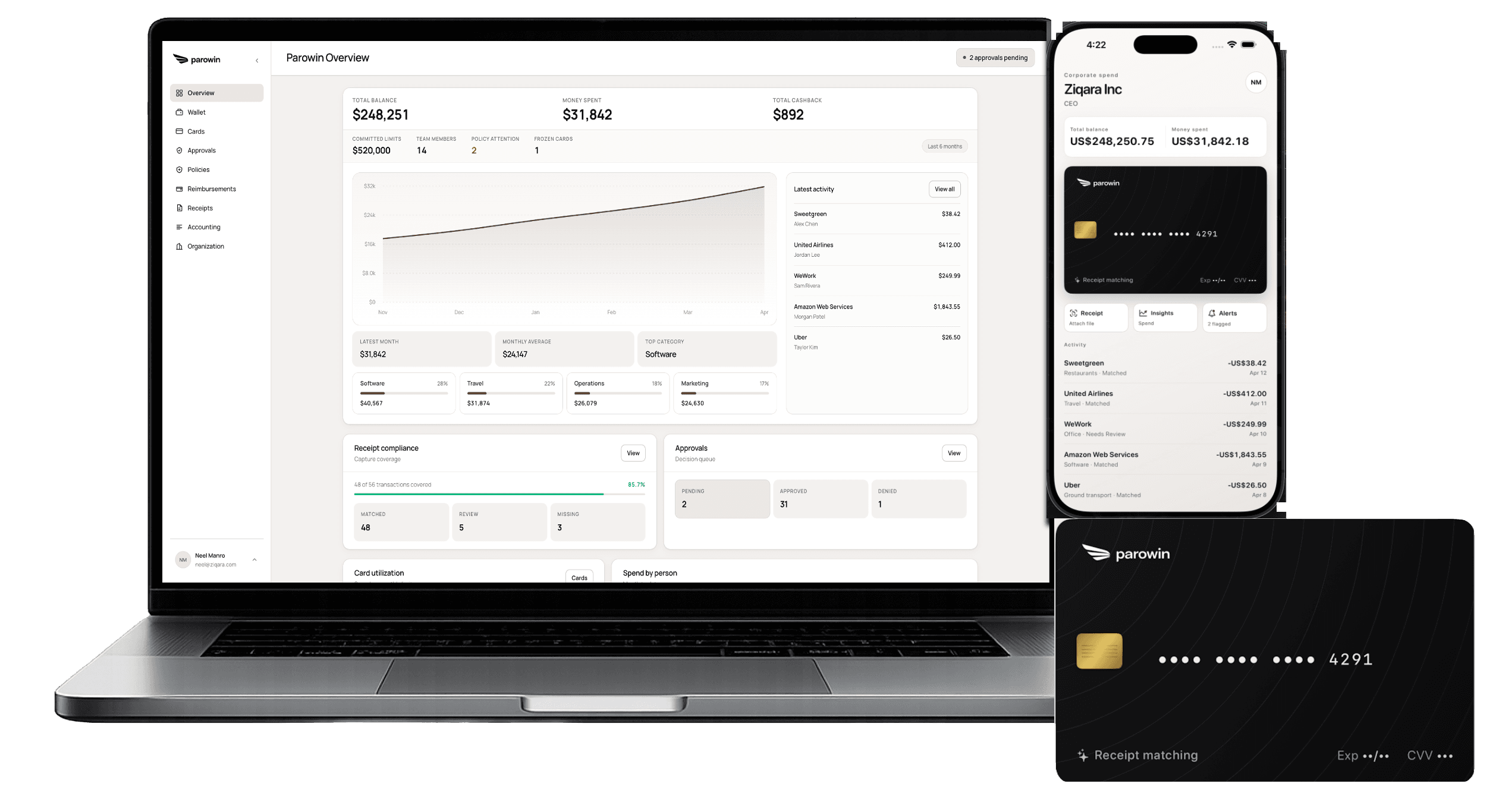
Open-source product suite
Cards, approvals, and accounting workflows in one codebase - built for teams that want control without a closed platform.
Review how limits, freezes, merchant rules, and spend policies are modeled in code.
Capture receipt context close to the transaction and keep records easy to audit.

Customize request routing and reviewer logic without waiting on vendor roadmaps.

Adapt spend rules for your organization and keep the decision trail transparent.

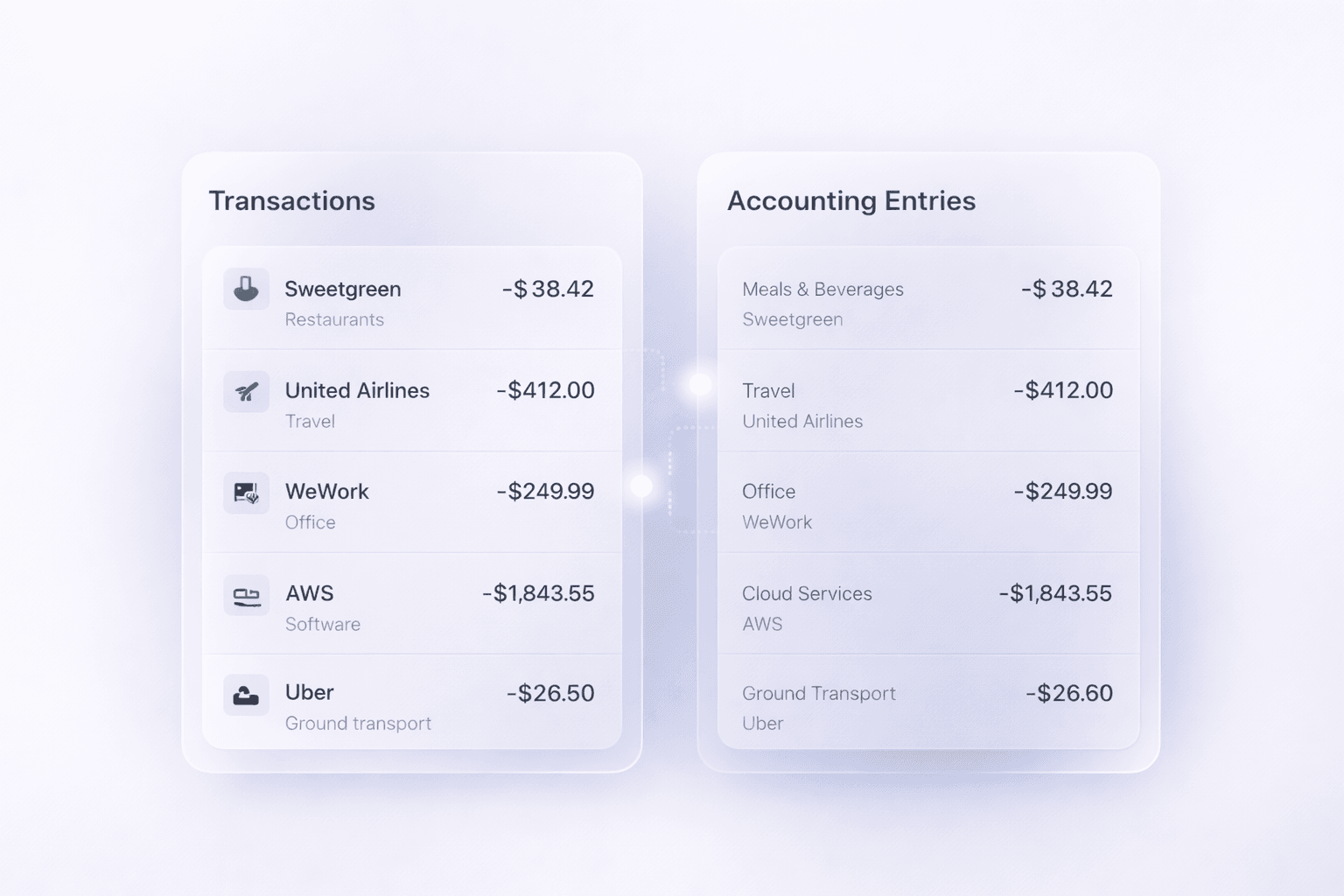
Map, categorize, reconcile, and sync transaction data through transparent workflows.
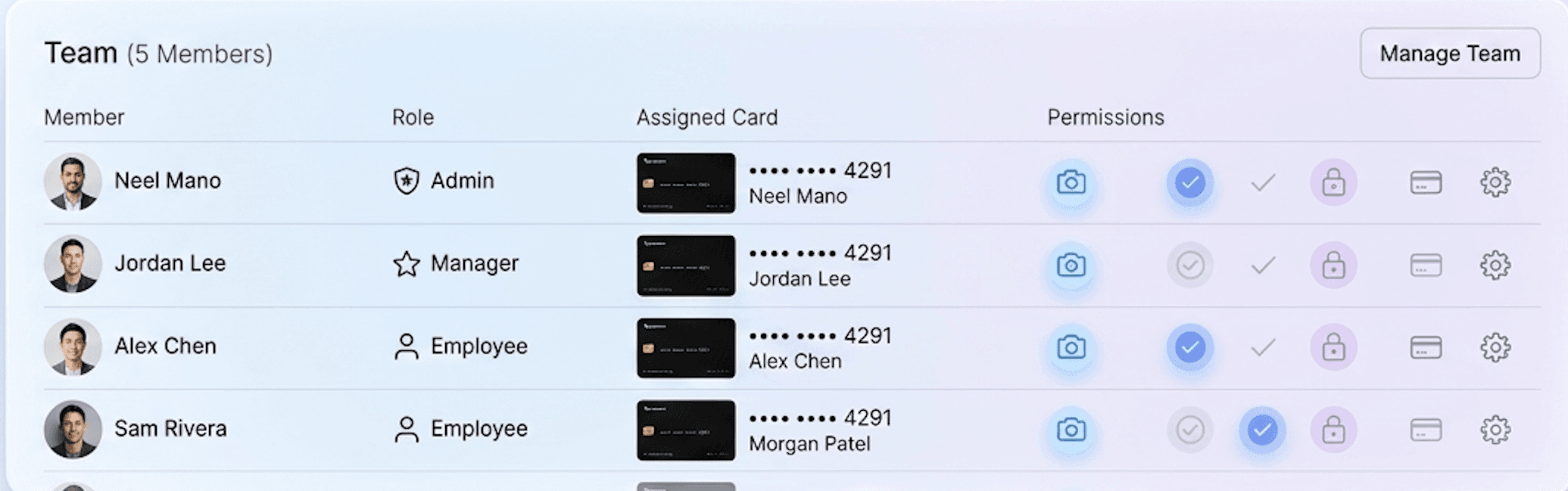
Manage users, permissions, and review ownership from an inspectable admin layer.
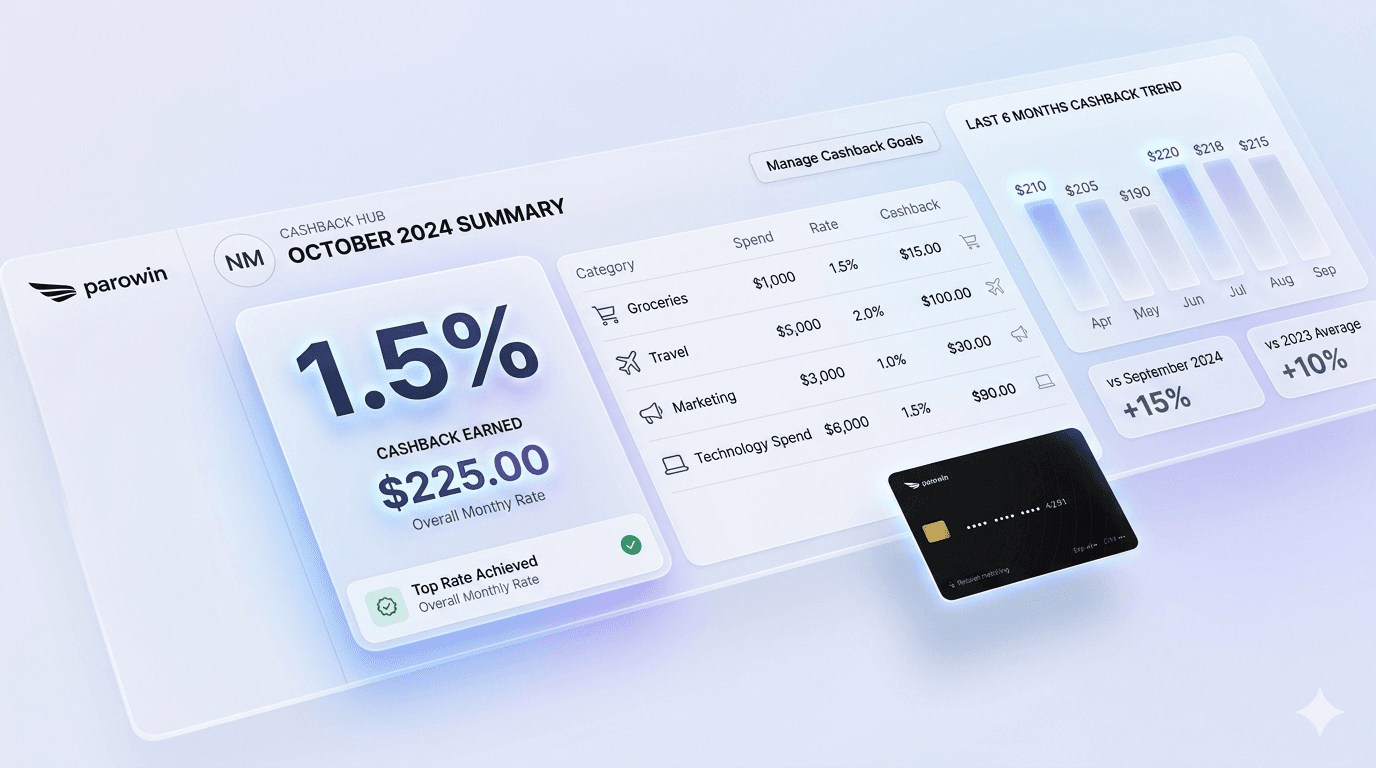
Keep spend data readable, portable, and ready for downstream reporting.
Review requests, approvals, and payout state in a workflow you can extend.
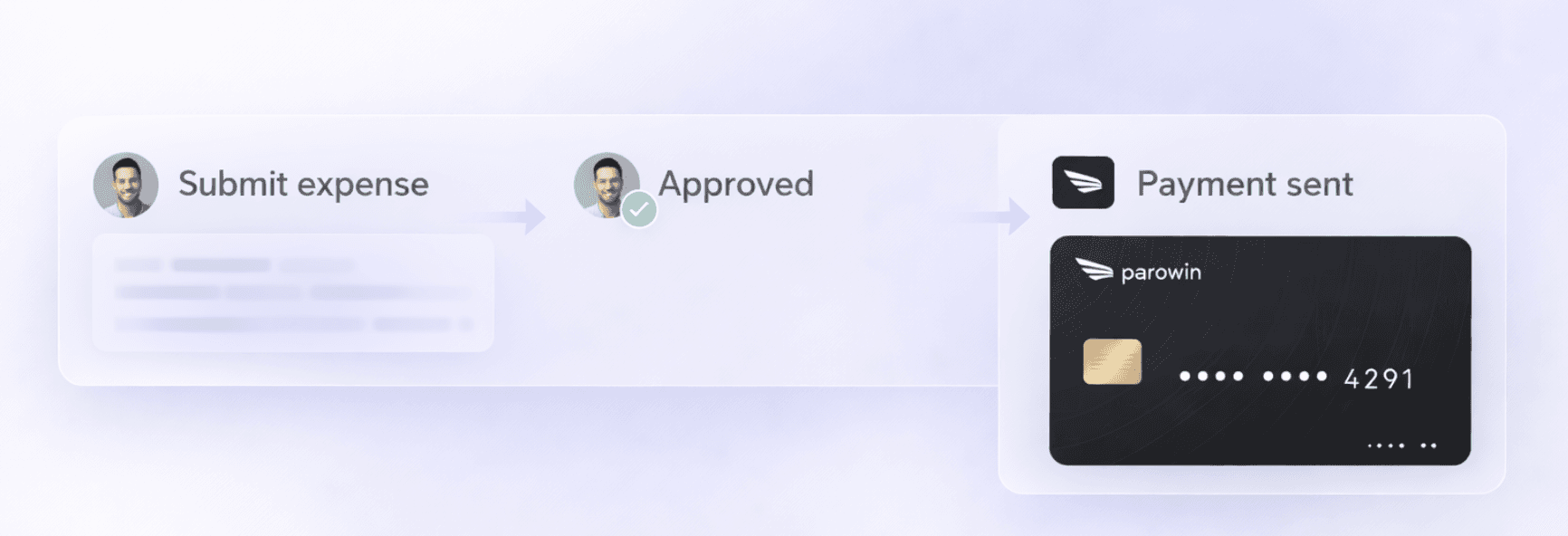
Parowin is built for teams that want transparent spend workflows, direct control over policy logic, and the ability to self-host or extend the system.
Closed platform
Parowin OSS
Closed product, limited visibility
Inspect the workflows and adapt them to your stack
Wait for vendor roadmap decisions
Change policy, approvals, and sync logic directly
Hosted only, with fixed product boundaries
Run it locally, self-host, or use it as a reference implementation
Exports and reports live behind vendor controls
Keep spend data portable and readable from the start
Generic rules that rarely fit every workflow
Transparent routing and review states you can modify
Black-box mappings and hard-to-debug exports
Trace categorization, reconciliation, and ERP sync end to end
Built around sales priorities
Open issues, pull requests, and public iteration
Paid plan before you can fully evaluate
Clone, inspect, and prototype before committing
Integrations depend on vendor support
Extend the codebase for your accounting and operations stack
Closed platform
Closed product, limited visibility
Parowin OSS
Inspect the workflows and adapt them to your stack
Closed platform
Wait for vendor roadmap decisions
Parowin OSS
Change policy, approvals, and sync logic directly
Closed platform
Hosted only, with fixed product boundaries
Parowin OSS
Run it locally, self-host, or use it as a reference implementation
Closed platform
Exports and reports live behind vendor controls
Parowin OSS
Keep spend data portable and readable from the start
Closed platform
Generic rules that rarely fit every workflow
Parowin OSS
Transparent routing and review states you can modify
Closed platform
Black-box mappings and hard-to-debug exports
Parowin OSS
Trace categorization, reconciliation, and ERP sync end to end
Closed platform
Built around sales priorities
Parowin OSS
Open issues, pull requests, and public iteration
Closed platform
Paid plan before you can fully evaluate
Parowin OSS
Clone, inspect, and prototype before committing
Closed platform
Integrations depend on vendor support
Parowin OSS
Extend the codebase for your accounting and operations stack
Open integrations






Use Parowin as an open integration layer for categorization, mapping, and accounting sync without hiding the workflow behind a vendor black box.
Today
Apr 14
Blue Bottle
$11.83
Uber
$31.19
Sweetgreen
$27.50
Mapped fields
ERPSynced
Uber ride is in your accounting system.
git clone https://github.com/neelmanro/parowin
cd parowin
npm install
npm run devParowin is now positioned around open-source adoption: inspect the code, prototype locally, and adapt the workflows to your own operating model.
Developer path
Start with the open repository, then shape approvals, policy, and accounting sync around the way your organization actually works.
From source to deployment
Pull the source locally and inspect the app structure before changing anything.
Adapt roles, approval paths, policy rules, and environment settings for your setup.
Wire accounting, data, and notification services into the open workflow layer.
Self-host, contribute improvements, or use Parowin as the base for your internal spend tooling.
No onboarding call required. Start with the code and evaluate the system on your own timeline.
Keep the product experience polished while keeping the underlying logic open, inspectable, and ready to extend.
Trust & transparency

Keep transaction monitoring, spend rules, and risk checks visible so teams can reason about how decisions are made.
Review approvals, exceptions, and accounting changes through a workflow designed for traceability.
Infrastructure
Self-hostable
Run Parowin in the environment you trust, connect the services you choose, and keep security reviews grounded in source code.
Project notes
Practical notes on policy logic, accounting sync, and building transparent financial workflows.

Open source makes approval logic, policy checks, and accounting sync easier to reason about.
Read note
Policy logic should be explicit, portable, and easy to adapt as workflows change.
Read note
Requests, approvals, payout state, and audit history should be easy to model and extend.
Read note
Mapping and reconciliation are easier to trust when the sync path is visible.
Read noteFAQ
Straight answers on source access, self-hosting, integrations, and contribution.
Yes. The landing page now presents Parowin as an open-source project you can inspect, fork, and adapt.
The project is positioned for teams that want to run and customize the code themselves. Check the repository for the current setup instructions and deployment notes.
Approval routing, policy rules, accounting sync, roles, and workflow states are presented as parts of the system you can inspect and adapt.
The product direction still centers on mapping, categorization, reconciliation, and accounting sync, but now the integration story is open and extensible.
No. The page now points people to the repository first instead of pushing a demo or onboarding conversation.
Yes. The open-source positioning encourages issues, pull requests, and community-driven improvements.
This page focuses on cloning, evaluating, and running the open-source project.
Start on GitHub. Clone the repository, run it locally, and review the workflows before deciding how far to customize it.